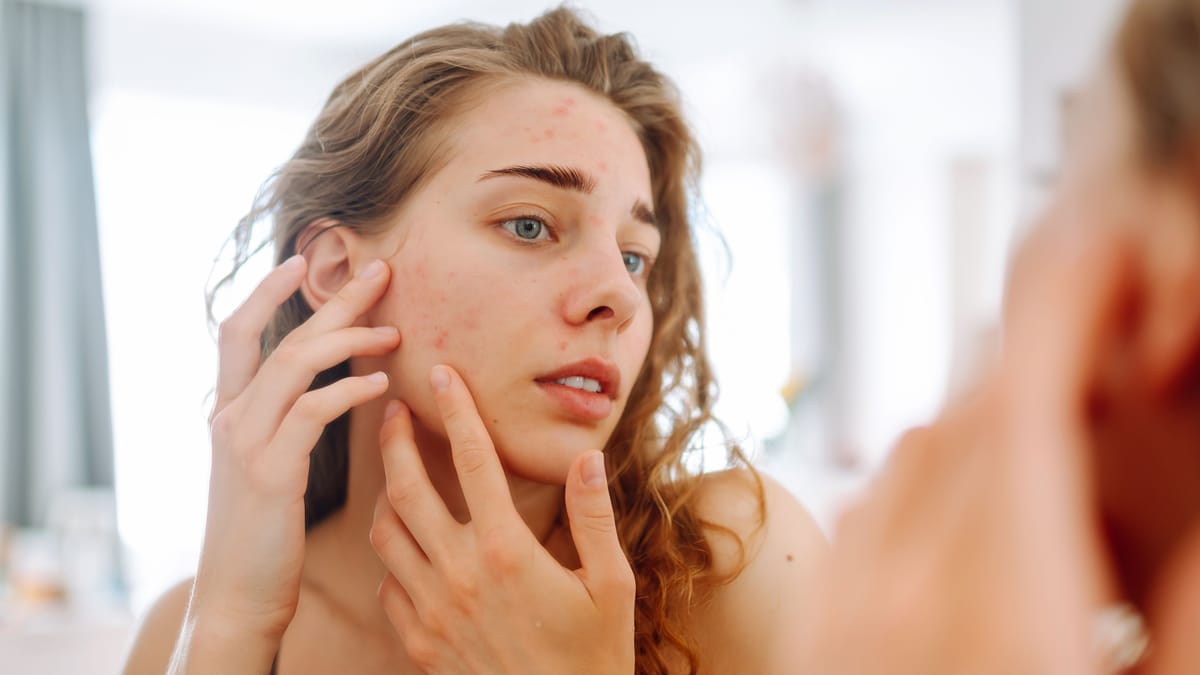
Period Pimples: Understanding Hormonal Acne & How to Fight It
Waking up to an unwelcome breakout just before or during your period is a familiar frustration for many. These cyclical eruptions, often appearing on the jawline, chin, and neck, are more than just random blemishes; they're a tell-tale sign of hormonal acne. While often dismissed as a minor inconvenience, hormonal acne can be persistent, painful, and impact self-esteem. But what exactly causes these hormonal flare-ups, and more importantly, what can you do against hormonal acne to achieve clearer, healthier skin?
Hormonal acne is one of the most common forms of acne, stemming from an imbalance in your body's delicate hormonal ecosystem. It manifests as a variety of blemishes, from blackheads and whiteheads to deep, inflamed cysts. While commonly associated with puberty, it can affect individuals at any age, often extending well into adulthood. Understanding the underlying hormonal shifts is the first step towards effectively managing and fighting these stubborn breakouts.
The Hormonal Connection: Why Breakouts Happen
Our skin is intrinsically linked to our hormonal balance, reacting significantly to its fluctuations. When this balance is disrupted, it can trigger a cascade of events leading to acne. The key players in this hormonal drama are typically the sex hormones: estrogens, progestogens (like progesterone), and androgens (like testosterone).
During a typical menstrual cycle, hormone levels fluctuate dramatically. In the latter half of the cycle, just before menstruation, estrogen levels drop while progesterone and sometimes androgen levels rise relatively. Androgens, in particular, stimulate the sebaceous glands to produce more sebum (oil). Excess sebum, combined with dead skin cells, can clog pores, creating a perfect breeding ground for acne-causing bacteria (P. acnes). This leads to inflammation, redness, and those characteristic deep, often painful, pimples.
Beyond the monthly cycle, other life stages and conditions can trigger or worsen hormonal acne:
- Puberty: The surge in androgens is a primary cause of teenage acne.
- Pregnancy: Fluctuating hormones can lead to breakouts.
- Menopause: Declining estrogen levels can sometimes unmask the effects of androgens.
- Stopping or Starting Oral Contraceptives: Adjustments in synthetic hormones can lead to temporary or long-term breakouts.
- Polycystic Ovary Syndrome (PCOS): This condition involves elevated androgen levels, often leading to severe acne, excess hair growth, and irregular periods.
- Stress: Chronic stress increases cortisol production, which can indirectly influence androgen levels and exacerbate breakouts.
Identifying Hormonal Acne: Types and Symptoms
Acne is a complex skin condition, and while all acne involves clogged pores and inflammation, hormonal acne often has distinctive characteristics and patterns. Recognising these can help guide your treatment strategy. Broadly, hormonal acne can be categorised into different forms:
Acne Vulgaris (Puberty Acne)
Often referred to as puberty acne, Acne vulgaris affects over 70% of teenagers between 15 and 18 years old. It's characterised by a mix of blackheads, whiteheads, pustules, and sometimes papules. These typically appear on the face (forehead, nose), back, and shoulders. The inflammations usually affect the upper layers of the skin, making this form of hormonal acne relatively responsive to standard treatments.
Acne Tarda (Adult Acne)
In contrast to Acne vulgaris, Acne tarda (or adult acne) typically emerges much later, usually after the age of 25. Women are disproportionately affected by Acne tarda, often experiencing breakouts around the lower face, jawline, chin, and neck. These breakouts can include deeper papules, pustules, and even cysts. Triggers for Acne tarda frequently include hormonal fluctuations related to stopping oral contraceptives, pregnancy, or pre-menstrual syndrome.
Acne Conglobata (Severe Cystic Acne)
This is a particularly severe form of hormonal acne, characterised by deep, painful cysts, nodules, and abscesses that extend far into the skin. Acne conglobata lesions often occur on the face, neck, back, chest, and décolletage. These severe inflammations can lead to significant scarring and hyperpigmentation. While less common, it tends to occur more frequently in men, though it can affect women as well, often requiring aggressive medical intervention.
"Was Tun Gegen Hormonelle Akne?" - Actionable Strategies to Fight Back
Addressing hormonal acne requires a multifaceted approach that combines diligent skincare, lifestyle adjustments, and, for many, professional medical guidance. If you're wondering what to do against hormonal acne, here are comprehensive strategies:
1. Targeted Skincare Routine
A consistent and appropriate skincare routine is fundamental. Remember, the goal is to reduce oil, unclog pores, soothe inflammation, and support skin barrier health without causing further irritation.
- Gentle Cleansing: Use a mild, pH-balanced cleanser twice daily. Avoid harsh scrubbing, which can irritate inflamed skin and spread bacteria.
- Key Active Ingredients:
- Salicylic Acid (BHA): A beta-hydroxy acid that penetrates oil to exfoliate inside the pore, helping to prevent blockages.
- Benzoyl Peroxide: Kills acne-causing bacteria and helps shed dead skin cells. Start with lower concentrations to minimise irritation.
- Topical Retinoids (Retinol, Tretinoin, Adapalene): Vitamin A derivatives that accelerate cell turnover, preventing pore blockages and reducing inflammation. Adapalene is available over-the-counter in some regions.
- Moisturise: Even oily skin needs hydration. Choose a non-comedogenic (won't clog pores), oil-free moisturiser to support your skin barrier, especially when using drying active ingredients.
- Sun Protection: Many acne treatments increase sun sensitivity. Use a broad-spectrum SPF 30+ daily.
- Hands Off! Resist the urge to pick or squeeze pimples. This can worsen inflammation, spread bacteria, and lead to scarring.
2. Lifestyle & Diet Adjustments
Since hormonal acne has internal roots, a holistic approach is key. These changes can significantly complement your topical treatments:
- Dietary Considerations:
- Low Glycemic Index (GI): Foods high in sugar and refined carbohydrates can spike insulin, which may increase androgen activity. Focus on whole grains, lean proteins, fruits, and vegetables.
- Dairy Intake: Some individuals find that reducing dairy products helps improve their skin.
- Omega-3 Fatty Acids: Found in fish, flaxseeds, and walnuts, these can help reduce inflammation.
- Antioxidants: Berries, leafy greens, and other colourful produce protect skin from damage.
- Stress Management: Chronic stress elevates cortisol, potentially leading to breakouts. Incorporate stress-reducing activities like yoga, meditation, deep breathing, or spending time in nature.
- Quality Sleep: Aim for 7-9 hours of quality sleep per night. Sleep is crucial for hormone regulation and skin repair.
- Hydration: Drink plenty of water throughout the day to support overall skin health and bodily functions.
- Regular Exercise: Promotes circulation and can help manage stress, but remember to shower promptly after workouts to prevent body acne.
3. When to Seek Professional Help
If over-the-counter products and lifestyle changes aren't yielding results, it's time to consult a dermatologist. They can offer stronger treatments and pinpoint underlying causes. For more on a comprehensive approach, check out Holistic Skincare for Hormonal Acne: Your Guide to Clear Skin.
Professional options may include:
- Prescription Topical Medications: Stronger retinoids (e.g., Tretinoin), topical antibiotics, or dapsone.
- Oral Medications:
- Oral Contraceptives (Birth Control Pills): Certain types containing estrogen and progestin can help regulate hormones and reduce androgen effects, leading to clearer skin.
- Anti-androgen Medications (e.g., Spironolactone): These drugs block the effects of androgens on oil glands, often prescribed for women with stubborn hormonal acne.
- Oral Antibiotics: Used short-term to reduce inflammation and bacteria, often in conjunction with topical treatments.
- Isotretinoin (Accutane): A powerful oral retinoid reserved for severe, nodular, or cystic acne that hasn't responded to other treatments. It significantly reduces sebum production and pore clogging.
- In-Office Procedures: Chemical peels, laser therapy, or extractions performed by a professional can complement other treatments.
Embracing a Holistic Approach to Clearer Skin
Fighting hormonal acne, especially those stubborn period pimples, means looking beyond just the surface of your skin. It requires understanding your body's unique hormonal rhythms and adopting a holistic strategy that combines effective skincare with mindful lifestyle choices. Patience is paramount; significant improvements often take weeks or even months to become apparent. By working closely with healthcare professionals and committing to a consistent regimen, you can gain control over hormonal breakouts and achieve the clearer, healthier skin you desire.